

 Back to Blogs
What Causes Exterior Shutters to Warp, Crack, or Fade?
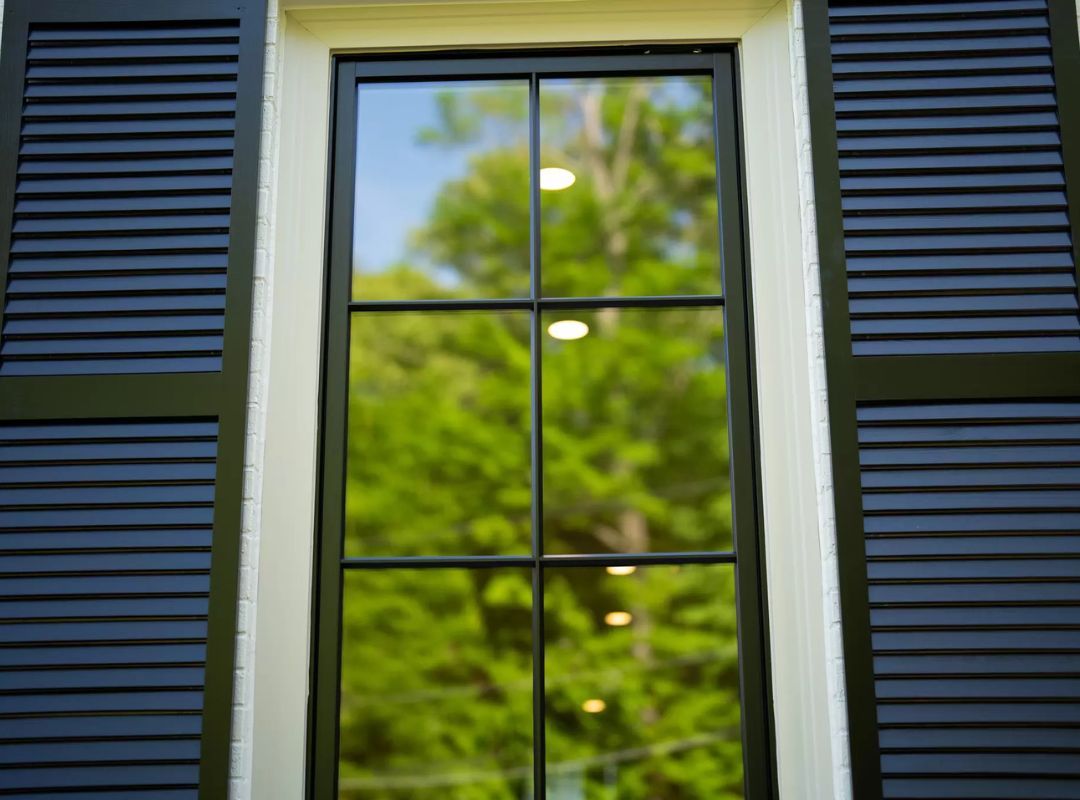
Shutters are not merely about framing your windows. They give a home its character, whether that's a classic colonial look or a warm craftsman feel.
But if you've noticed your shutters bowing outward, splitting at the seams, or turning a dull, chalky version of their original color, you're looking at exterior shutter damage, and it's more common than most homeowners realize.
The good news is that this damage almost always has a clear cause. Once you know what's behind the warping, cracking, or fading, it becomes much easier to decide whether a repair will hold or whether it's time to replace the shutters for good.
Why Shutters Warp in the First Place
Warping of shutters happens when a shutter bends, twists, or changes its original shape. One of the most common causes is repeated exposure to moisture and temperature changes.
Traditional materials can absorb moisture during rain or humid weather. When the material dries, it may shrink. Repeating this process over many seasons can put stress on the shutter and eventually cause it to bend or lose its shape.
Temperature variations may also contribute to this problem. Houses in Terre Haute face summer heat, winter cold, and varying temperatures during the year. The external parts expand with an increase in temperature and contract when the temperature falls.
Poor installation can also make warping more likely. If a shutter is not mounted correctly or does not have the right support, it may be more vulnerable to movement and stress from wind and weather.
What Causes Shutters to Crack Over Time
Cracking is usually the next stage after warping. Once a shutter has bent out of its original shape, the wood fibers or composite material are already under stress. Add a hard freeze, a sudden temperature swing, or years of repeated expansion and contraction, and small stress fractures turn into visible cracks.
Poor installation plays a pivotal role. Shutters mounted too tightly against the siding, with no room to expand and contract naturally, are far more likely to split. Loose or missing fasteners can also let a shutter shift in the wind, which puts uneven pressure on the panel and speeds up cracking.
Why Shutter Color Fades So Fast
Fading comes down to one main culprit: UV exposure. Sunlight breaks down the pigments and protective coatings on a shutter's surface over time. South- and west-facing shutters usually fade first and fastest, since they get the most direct sun through the afternoon.
Lower-grade paints and finishes fade faster than factory-applied, UV-resistant coatings. That's part of why two shutters installed the same year, on the same house, can look noticeably different in color after just a few seasons if one was painted on-site and the other came pre-finished from the manufacturer.
Signs Your Shutters Have Already Been Affected
A few things to check the next time you're outside:
- Visible bowing where the shutter no longer sits flat against the wall
- Cracks or splits, especially near the corners or louvers
- Chalky or faded color that rubs off on your hand when you touch it
- Gaps between the shutter and the siding, which point to warping underneath
- Loose fasteners or shutters that shift in the wind
Catching these signs early matters. Once exterior shutter damage reaches the point of deep cracking or full warping, patching it up rarely lasts, and the shutter usually needs to be replaced rather than repaired.
Window World of Terre Haute sees this pattern often across the homes we work on throughout western Indiana and eastern Illinois, where hot, humid summers and cold winters put real stress on exterior materials year after year.
Choosing Materials That Resist Warping, Cracking, and Fading
The simplest way to avoid repeating this cycle is to choose shutters built for the weather they'll actually face. Upgrading damaged exterior shutters can help homeowners replace warped, cracked, or faded materials with options designed for better long-term durability. Louvered shutters offer classic style with strong airflow resistance, which helps reduce the pressure buildup that leads to warping. Raised panel shutters bring a traditional colonial look with a solid, dense construction that holds its shape well over time. For homes with a craftsman style, board and batten shutters offer a rustic look built from materials designed to handle years of sun and moisture without splitting.
Window World of Terre Haute helps homeowners choose shutters that hold their shape and color for years rather than seasons.
If your current shutters are already showing warping, cracking, or fading, replacing them alongside your other exterior updates, like siding or windows, is often the most efficient way to refresh your home's whole look at once.
Signs your Siding Needs Replacement
Frequently Asked Questions
-
Minor warping can sometimes be fixed, but if a shutter is badly bowed or cracked, replacement is usually the better choice. The original shape of a warped shutter is long gone, and repairs rarely survive another season of temperature and moisture fluctuations.
-
Poor-quality wood shutters may start warping and fading within a few years, while the best weather-resistant materials typically retain their shape and color much longer.
-
Yes, the direction of shutters affects how fast they fade or warp. Shutters facing south and west receive the direct afternoon sun, accelerating fading and warping. North-facing shutters tend to hold their color and shape longer as they get less direct UV exposure.
-
If the shutter itself is still structurally sound, a fresh coat of paint can restore its look. But if the material has already started warping or cracking underneath the faded finish, repainting only covers up a problem that will keep getting worse.