

 Back to Blogs
Choosing the Right Entry Door Style for Terre Haute Homes
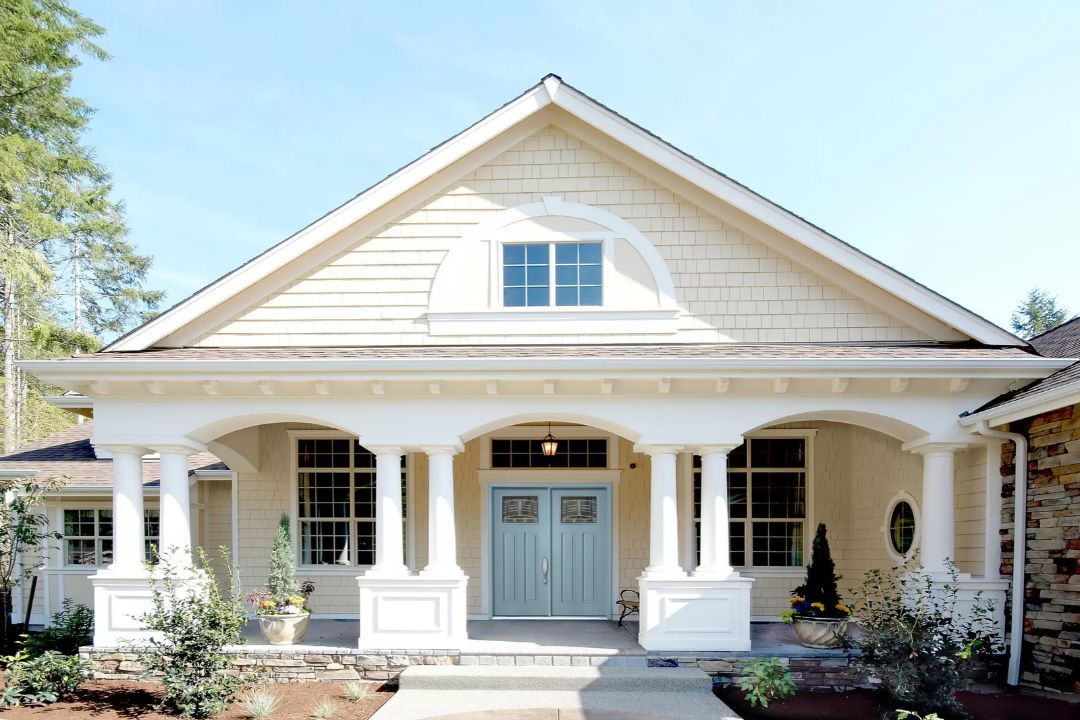
The best entry door style matches your home's architecture, fits daily needs like light, privacy, and security, and reflects your taste. Start with the roofline, trim, and siding. Then compare materials, glass, color, and hardware. A door that suits the house and the weather will look right and work well for years.
Which Entry Door Style Fits My Home?
Match the door to your home's architecture first. Traditional homes often suit raised panels and warm wood tones, while contemporary homes pair well with clean lines and bold color. Look at your roofline, trim, windows, and siding before you shop. Craftsman and farmhouse homes often work with simple panel layouts and a little glass near the top. If you're replacing your windows soon, compare grid patterns and frame colors with the door. For a sleek look, browse the modern entry doors available through Window World of Terre Haute.
Which Entry Door Material Should I Choose?
Fiberglass is a strong choice for many Indiana homes, though wood is also common. The U.S. Department of Energy says insulated fiberglass doors are more energy efficient than wood doors. Product details list a fiberglass skin that will not rot, warp, twist, or bow like wood. Many fiberglass doors also carry a grain texture, so you can get a warm look with less upkeep. See how wood-grain entry doors compare to a smooth, paintable surface.
Should I Choose a Door With Glass?
Glass adds daylight and character, but it also changes privacy and insulation. A full-lite door lets in the most light, a half-lite balances light and privacy, and a solid panel gives the most privacy. Frosted and decorative glass can soften the view while still brightening the hall. Check the glass package and frame construction on the specification sheet, since glass usually insulates less than the insulated door slab. Ask your Design Consultant which glass shapes suit your chosen style.
Which Door Color and Finish Work Best?
Choose a color that complements your siding, trim, and brick instead of fighting them. Deep blue, black, or red can stand out against light siding, while softer earth tones blend with brick and stone. Painted finishes look crisp, while stained finishes highlight the grain. Product pages list designer paints and hand-rubbed stains, though screen colors can differ from real samples. Match the handle finish to your light fixtures and house numbers. Use the Design Center to test colors against your vinyl siding on a photo of your own home.
What Door Design Offers the Right Level of Privacy?
Privacy comes from glass placement, glass pattern, and how close your door sits to the street. A solid panel, or a small glass area set high on the door, keeps views out. Privacy glass options, such as the Blanca and Rain patterns listed for modern doors, scatter the view while still letting light through. Sidelites and transoms add light but can open more sightlines, so consider frosted choices there too. Stand outside at dusk with the lights on to see what a passerby can see.
How Important Are Energy Efficiency and Weather Protection?
Very important, because an entry door is a large opening that faces freezing winters and humid summers. The U.S. Department of Energy recommends comparing door ratings to your local climate and looking for the ENERGY STAR and NFRC labels. Two numbers matter most: U-factor, which measures heat flow, and solar heat gain coefficient. A lower U-factor means less heat escapes. Weatherstripping and a tight seal matter as much as the door itself, and the Department of Energy recommends checking weatherstripping annually. Ask for the rating of the exact door you choose.
Which Entry Door Features Improve Security?
Security depends on the whole system, and no door makes a home completely secure. Look for a solid door slab, a firm frame, sturdy hinges, and a quality lock. Multi-point hardware secures the door at several points along the edge, and product pages list Trilennium and Schlage multi-point hardware, including an electronic lockset. A peephole or a door knocker with a peephole lets you see who is outside. Professional installation keeps the door square, so the locks line up and the door closes tightly.
How Much Maintenance Will the Door Need?
Maintenance depends on the material, the finish, and how much sun and rain the door gets. Fiberglass usually needs routine cleaning and seasonal checks of the finish and weatherstripping. Follow the manufacturer's care instructions for cleaners and touch-up paint. A door under a deep porch roof faces less weather than one that takes direct sun and rain all day, and finishes in harsh exposure may need attention sooner. Because fiberglass is paintable, you can refresh the color later without replacing the door.
What Should I Consider Before Replacing My Entry Door?
Start with the opening, frame, and trim, because they determine what will fit and how it will look. Gather photos of your entry, and note the swing direction, any sidelights or transom, and the trim you plan to keep. If the frame is rotted or out of square, a licensed contractor should correct it before installation. At the free in-home or virtual consultation, a Design Consultant reviews styles and colors and provides a quote. Then you order your custom door, and a professional team installs it in compliance with local building codes, as outlined on the What to Expect page.
Where Can I Explore Entry Door Options in Terre Haute?
Start online, then compare real samples in person. Review every fiberglass style on the entry doors page, then book a consultation with a local team serving Vigo County and nearby Indiana and Illinois counties listed on the service areas page. Door and color options can vary by location, so confirm what is offered before you set your heart on a design. Home improvement financing is available with approved credit through the Window World Credit Card Program. Subject to credit approval.
Backed by a Lifetime Limited Warranty for long-term peace of mind. Restrictions may apply. For complete details, contact Window World of Terre Haute. When you are ready, request a Free Quote, and a Design Consultant will help you choose the entry door style that fits your home.
Frequently Asked Questions
-
Fiberglass often works well in Indiana weather because it doesn't rot or warp as wood can. The U.S. Department of Energy also says insulated fiberglass doors are more energy efficient than wood doors. Wood still offers a natural look, so weigh upkeep against appearance.
-
Glass is optional and depends on how much light your entry needs and how close the door sits to the street. Frosted or patterned glass keeps light flowing while softening the view. Ask for the glass package details before you decide.
-
Many homeowners choose a color that contrasts with light siding or complements brick tones. Deep blues, blacks, and warm reds contrast well, while earth tones blend in. Test your options on a photo of your house and ask to see a real sample.
-
Yes, the company's Design Center lets you upload a photo of your home and try different doors, windows, and siding. A Design Consultant can then refine colors and options with you. Screen colors can differ from real samples, so ask to see one in person.
-
Financing is available with approved credit through the Window World Credit Card Program. Terms depend on your credit application, so ask for details during your consultation. Subject to credit approval.