

 Back to Blogs
How Vinyl Windows Help Terre Haute Homes Handle Extreme Temperature Swings
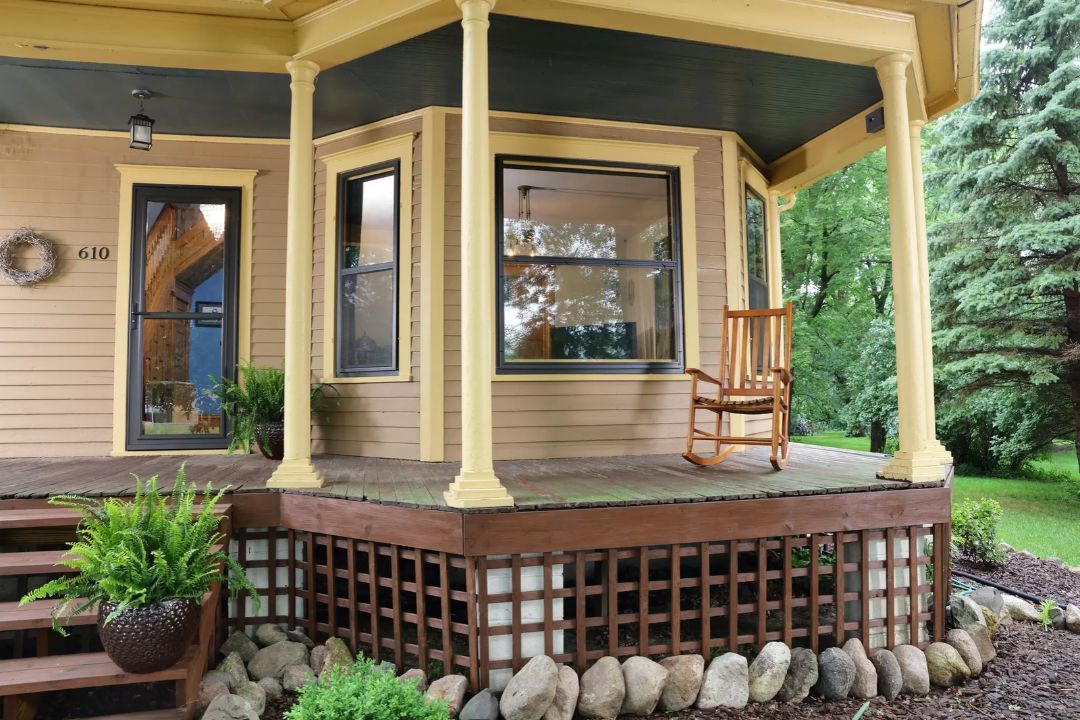
A July afternoon near 100 degrees followed by a January cold snap below zero isn’t unusual in west-central Indiana. It’s part of the region’s typical weather range. These temperature swings put stress on a home’s exterior, and windows often take more of that stress than homeowners realize. If you notice drafts in winter or a window that becomes difficult to open during humid summer weather, the frame material may be part of the problem. Vinyl windows in Terre Haute, IN, are designed to handle seasonal temperature changes while avoiding some common issues associated with older frame materials.
Why Temperature Swings Are Hard on Older Windows
Wood and aluminum frames react to heat and cold in different ways. Wood absorbs moisture during humid weather and swells, then dries out and shrinks when the air becomes colder and drier. Over time, these repeated changes can loosen joints, prevent sashes from closing properly, and create gaps around the frame. Aluminum has a different drawback: It conducts heat and cold readily. As a result, an aluminum frame can feel hot in summer and contribute to condensation in winter.
Both materials can affect a window’s ability to seal, open smoothly, and insulate your home. The extent of these problems depends on the window’s age, condition, and maintenance.
How Vinyl Handles Expansion and Contraction Differently
Vinyl also expands and contracts as temperatures change, but it does not absorb moisture like wood or conduct heat as readily as aluminum. These properties can help vinyl windows maintain their performance through seasonal weather changes. Our vinyl windows feature durable construction designed to resist chipping, peeling, cracking, and warping under normal conditions.
Because vinyl does not absorb moisture and dry out seasonally like wood, it can avoid some of the swelling and shrinking that affect older wood frames. Proper installation and quality seals also play important roles in maintaining a consistent fit and limiting drafts throughout the year.
The Role of Insulated Glass and Warm-Edge Spacers
Frame material is only part of the equation. The glass assembly also plays a major role in how well a window manages temperature changes. A window’s spacer system separates the panes of glass and can affect heat transfer and condensation along the glass edges. Some traditional spacer designs allow more heat transfer at the edges, which can contribute to winter condensation.
Our windows use a Warm-Edge Spacer system designed to reduce heat transfer and edge condensation compared with certain traditional spacer designs. Combined with insulated glass, this technology helps improve thermal performance during both freezing winters and hot summers.
Low-E Glass and Argon Gas: Managing Heat Transfer in Both Directions
Two features can help reduce the impact of outdoor temperature extremes indoors: Low-E glass coatings and argon gas fills. Low-E glass has a thin, nearly invisible coating that reflects certain wavelengths of heat while allowing visible light to pass through. Depending on the coating, it can help reduce unwanted summer heat gain and winter heat loss through the glass. Argon gas, sealed between the panes, transfers heat less readily than ordinary air and can further improve insulation.
Together, these features can also help reduce ultraviolet (UV) exposure inside your home. Our windows are designed to reduce fading of carpets, curtains, and furniture, although the amount of protection depends on the specific glass package and other factors, such as the amount of direct sunlight.
Choosing the Right Window Style for a Terre Haute Home
Vinyl frames and energy-efficient glass can benefit many window styles, but the best option still depends on your home and how you use each room. Double-hung windows are a popular choice because their tilt-in sashes can make cleaning easier, especially in multilevel homes and older Terre Haute neighborhoods. Sliding windows work well above kitchen sinks or in spaces where an outward-opening sash would get in the way.
For larger openings where you want a wider view or more natural light, bay and bow windows and picture windows offer different design options. Their energy performance depends on the glass package, frame design, and installation—not just the window style.
Backed by a Warranty Built for Indiana Weather
Indiana’s temperature swings put windows to the test year after year. Every window we install comes with a limited lifetime warranty, offering coverage subject to the warranty’s terms and exclusions. Review the details on our warranty page to understand what’s covered and how long coverage applies to the specific products you choose.
Get a Free Quote on Vinyl Windows in Terre Haute
A Design Consultant can assess your existing windows, identify potential issues with older frames, and recommend styles that suit your home and budget. You can also ask about available financing options, subject to credit approval. Get a free quote to get started.
Frequently Asked Questions
-
Yes. Vinyl does not absorb moisture like wood, so it is less prone to moisture-related swelling and shrinking. However, the window’s condition, seals, and installation also affect its overall performance.
-
A Warm-Edge Spacer separates the panes of glass in an insulated window. Its design helps reduce heat transfer around the glass edges and may help limit winter condensation compared with some traditional spacer systems.
-
Vinyl windows are designed to withstand normal seasonal temperature changes, and quality components can resist cracking, chipping, peeling, and warping. However, performance varies by product, and extreme conditions, impact, or improper installation can still cause damage.
-
Not necessarily. Glass packages, coatings, gas fills, frame design, and installation all affect energy performance. Compare the specifications of each model to determine which option best fits your home.
-
Our windows come with a limited lifetime warranty, subject to the specific terms and exclusions. Review our warranty page for details about coverage and restrictions.