

 Back to Blogs
How to Know if Your Siding Needs to Be Replaced After Terre Haute Storms
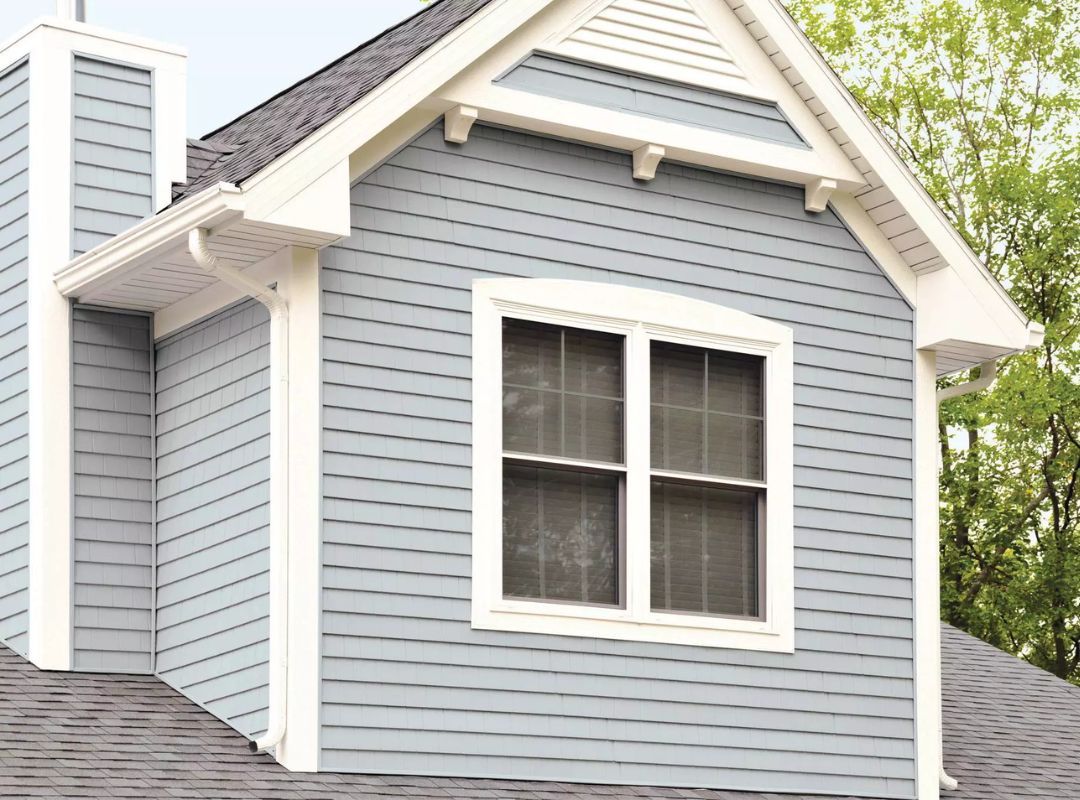
A hard storm rolls through, the wind dies down, and suddenly you’re walking the perimeter of your house looking for damage. If you’re doing that right now, you’re not alone. High winds, hail, and heavy rain are a regular part of life in this part of Indiana, and they take a real toll on exterior siding. Knowing what to look for after a storm is the first step toward figuring out whether siding replacement Terre Haute homeowners often need is actually necessary for your home.
What Terre Haute Storms Actually Do to Siding
Storms don’t just throw debris at a house. Wind pressure alone can loosen panels at the seams, and sudden temperature swings before and after a front moves through cause siding materials to expand and contract rapidly. Hail is the most obvious culprit, but wind-driven rain can be just as damaging when it finds its way behind loose or cracked panels.
Older siding, especially anything installed before more durable materials became standard, tends to show signs of storm stress more quickly than newer products. That’s often why the same storm leaves one house untouched while another shows visible damage. For homeowners considering window replacement for older Terre Haute homes, it’s also important to check surrounding areas for signs of storm-related wear. Homes on the western edge of a neighborhood or facing an open field sometimes take a harder hit simply because there’s nothing to break the wind before it reaches the siding.
Visible Signs Worth Checking First
Walk the exterior of your home after any significant weather event and look for:
- Cracked siding or panels with visible splits
- Dents from hail, especially on the side of the house that faced the storm
- Panels that have pulled loose from the wall or look misaligned
- Warped siding that appears wavy or bowed, particularly in direct sunlight
- Missing pieces or chunks knocked off corners and trim
Any single sign might be minor. Several signs on the same wall usually point to a bigger problem underneath.
Signs That Aren’t as Obvious
Some of the most important damage isn’t visible from the ground. Moisture intrusion behind the siding can occur even when the panels themselves look intact, especially if the seams were compromised by wind pressure. Homeowners should also watch for storm door problems in Terre Haute, such as damaged frames, loose hardware, cracked glass, or doors that no longer close properly. Exterior features like shutters can also suffer during severe weather, with warped and cracked shutters often indicating that the home experienced stronger wind or flying debris than may be immediately obvious.
Left unaddressed, trapped moisture can lead to mold growth, wood rot beneath the sheathing, and higher energy bills as insulation gets wet and loses effectiveness. A professional inspection can help identify hidden storm damage before a small exterior issue develops into a more expensive repair.
If you’ve noticed a musty smell near an exterior wall, soft spots when you press against the siding, or paint bubbling on interior walls that back up to the exterior, those are indirect signs that water has found a way in. Catching these early matters, since trapped moisture tends to spread quietly behind the wall long before it becomes obvious inside the home.
If any of this sounds familiar, it’s worth having a Design Consultant take a look. Window World of Terre Haute offers a Free Quote, so you can find out exactly what’s going on with your siding before deciding on next steps.
Why a Few Damaged Panels Sometimes Means Full Replacement
Homeowners often ask why a handful of damaged panels can mean the whole side of a house needs new siding rather than a patch. Older siding lines are frequently discontinued, making it difficult or impossible to match the color, texture, and profile of existing panels. Even a close match can look noticeably different once it weathers at a different rate than the surrounding panels.
There’s also the issue of what’s happening underneath. If wind or hail compromised the integrity of the siding in one section, it’s reasonable to expect the rest of that wall, which faced the same storm and has the same age and wear, is under similar stress even if it hasn’t failed yet.
How Age Affects Storm Vulnerability
Siding doesn’t fail all at once. It gradually weakens over years of sun exposure, temperature cycling, and prior storms that caused less stress. A 20- or 25-year-old siding installation that gets hit by a significant storm is far more likely to show damage than a newer installation designed to handle current wind and impact standards.
This is part of why storm damage often prompts homeowners to address siding that was already overdue for attention. The storm didn’t necessarily create a new problem. It may simply have exposed one that had been building for years. Fasteners loosen, seams shift, and the material itself becomes more brittle with age, all of which make a home more vulnerable the next time severe weather rolls through.
What Regular Maintenance Can and Can’t Fix
Keeping gutters clear, washing siding periodically, and trimming back branches near the house all help reduce storm-related stress on your siding. None of that, however, can restore siding that has already cracked, warped, or pulled away from the wall. Maintenance protects healthy siding. It doesn’t reverse damage that’s already happened.
Getting a Professional Assessment
The safest approach after any major storm is to have an experienced professional evaluate the siding rather than guessing from what’s visible from the ground. A Design Consultant can walk the exterior, check for easy-to-miss signs, and explain whether replacing vinyl siding makes sense for your situation.
Window World installs vinyl siding built to withstand the kind of weather Terre Haute sees, and our limited lifetime warranty backs every installation. Restrictions may apply. For complete details, see the warranty at your nearest Window World store. With our flexible home improvement financing options, you can start enjoying your remodeled home today. Subject to credit approval; see store for details.
You put up with a lot living through Indiana storm seasons. Your siding shouldn’t be one more thing you have to worry about every time the sky turns dark.
Frequently Asked Questions
-
As soon as it’s safe to do so. Early detection makes it easier to catch moisture intrusion before it causes further damage.
-
Yes. Hail can compromise seams and fasteners even when panels appear undamaged from a distance, so a closer inspection is warranted.
-
Many policies do, but coverage varies. Check your specific policy or talk with your insurance provider for details.
-
Yes. Wind direction during a storm often means one exposed side takes the brunt of the impact.
-
A Design Consultant reviews your siding’s condition, discusses replacement options, and provides a no-obligation Free Quote.